

Racism stains Germany’s new football season
The football powerhouse has seen a surge of racism
The powerhouse that is German football is going through what looks to be a surge of racist incidents. Instead of celebrating goals and early glory, the game is grappling with a persistent issue: a wave of racism directed at players.
The hostility has been present both in the stands and online. The first came before the official season began. During a friendly match in July, a fan of Bundesliga club Union Berlin shouted racist insults at a player from third-division Schweinfurt. The club’s president, Dirk Zingler, responded: “Racists are idiots – even if they wear Union jerseys... Union stands for solidarity, not hatred.”
Later that month, the hatred spilled onto a regional train, where 50 drunken fans of Hansa Rostock racially abused passengers they perceived to be of migrant background. The situation grew tense leading to dozens of federal police officers forced to meet the train at its platform in Leipzig.
As the Bundesliga kicked-off, the problem persisted. During a German Cup match in August, a stadium announcer in Brandenburg had to interrupt play to address the crowd: “There was just a racist insult directed at a substitute player... We don't want this; we won't tolerate it.” Police launched an investigation.
The same day, in a separate cup tie, Schalke’s Christopher Antwi-Adjei was targeted. When the referee followed FIFA protocol by stopping the match to make an announcement, sections of the crowd responded by booing the player.
The digital space has proved just as toxic, a picture we see across Europe. After a German Cup derby, a Rot-Weiss Essen player was subjected to such a torrent of racist abuse online that the club had to disable comments on its Instagram page. Days later, Mainz midfielders Nadiem Amiri and Arnaud Nordin received racist messages, with Amiri’s mother also being targeted. The club pledged to take legal action.
Soon after, Dortmund’s young defender Filippo Mané, became the next victim after a match, he was blamed for a draw and attacked with racist slurs.
In response to the surge, FIFA President Gianni Infantino made a statement reiterating that "there is no place for racism." The DFB (German FA) has launched investigations into the incidents, with president Bernd Neuendorf saying, “Racism and discrimination, hatred and exclusion have no place in football.”
FIFA’s official three-step protocol, which can lead to a match being abandoned as a final step, has been activated though it has yet to be used to its full conclusion in the top two divisions.
While statistics suggest that the majority of Germany's 1.5 million amateur matches pass without major incident, there is concern that many discriminatory acts go unreported, last season saw a spate of high profile incidents.
The incidents so early in the season are being extensively debated in the media, as explanations for the rise challenge old assumptions. While racism was often seen as a problem specific to eastern Germany, recent incidents show it is a nationwide issue. Germany has among the most active and most progressive fan groups in the world, they invented the fan work idea of supporters working with supporters through a social work approach. But fan work alone cannot deal with every German with a racist mindset.
Experts point to a broader societal shift. Journalist Christoph Ruf and fan project coordinator Philipp Beitzel talk about a rise in right-wing discourse since the pandemic, with nationalist slogans becoming more common in stadiums. Young fans, they say, are being radicalized online, and the stadium has become a battleground for these "cultural struggles."
The role of the populist far-right AfD party also cannot be ignored, they have changed the public conversation on race and immigration, making the environment far more difficult for those termed ‘migrants’.
At last years UEFA Euro hosted in Germany, police registered 52 incidents related to an old nazi chant sung to the tune of the popular Italian house anthem ‘L'amour toujours’. The song seemed to signal a turning point with people more openly shouting the casual nazi slogan, “Germany for the Germans – foreigners out”.
Consider also a report last year that documented racial discrimination rising in Germany, with 3,332 formally reported cases in 2024, up 14.4% from 2023. Most targeted were Muslims and Black people, especially in schools and workplaces.
Ethnologist Rachel Etse who has studied racism in locker rooms, sees the incidents as the symptom of a structural problem. "It is simply not recognized that it is a recurring pattern over decades. The first step is to recognize that racism is part of the football structures and then you have to admit if you don't have expertise in dealing with it, and get external help," she said.
Despite the debates this season, there is a note of perspective. Beitzel acknowledges that open racism in the top divisions is not as prominent as it was in the past, a sign of progress. Yet, the balance of power is constantly being renegotiated, and the struggle for the acceptance of progressive ideas in German football is very much alive.
It is still early in the new season with a long campaign ahead, we hope its defining theme will not be German football’s struggle with discrimination.
Latest News Articles
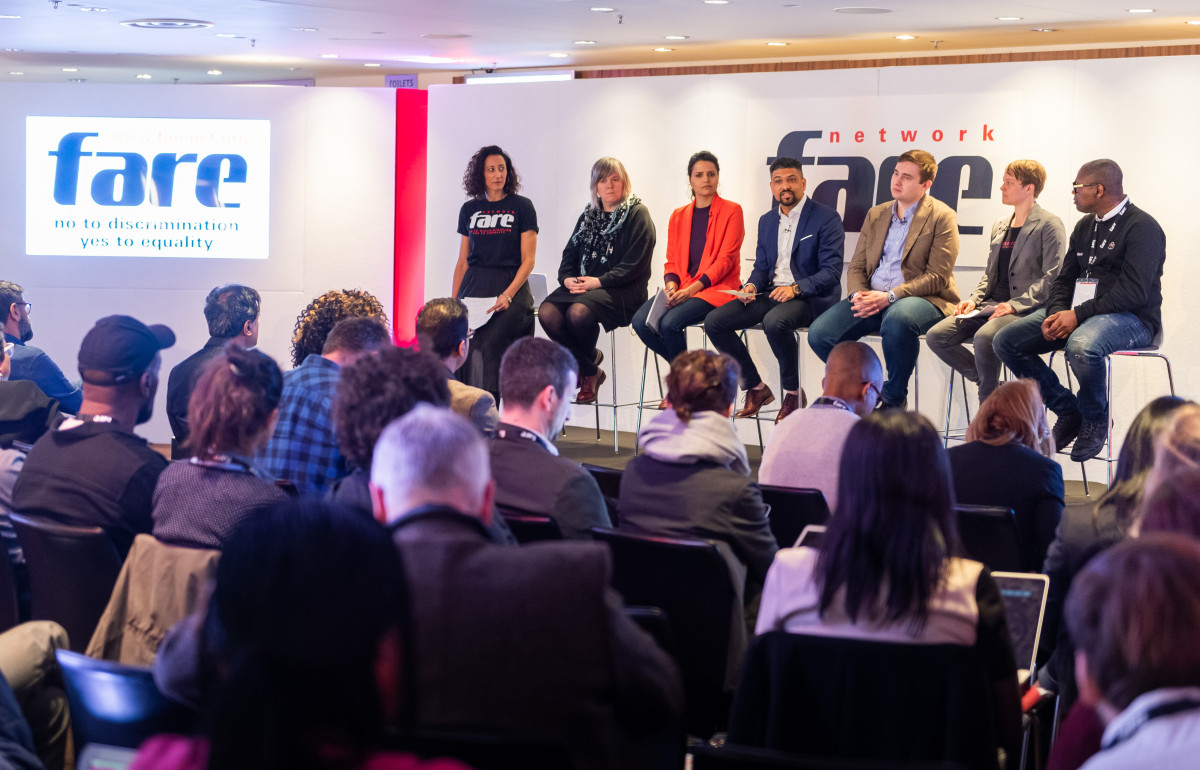
Call for Participation: An invitation to a Regional Balkan Forum
Fare network invites members and representatives of civil society and sport organisations from across the Balkans to take part in the Balkan Football…
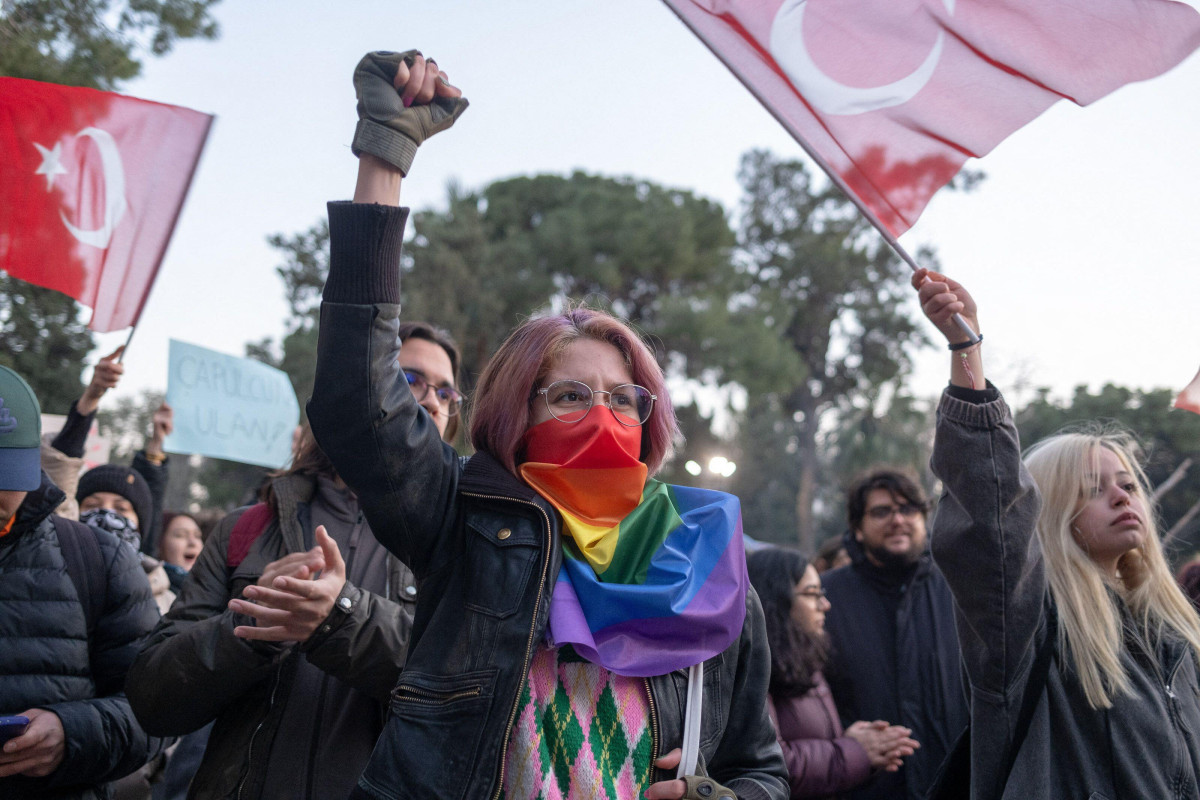
The Fare network condemns crackdown on LGBTIQ+ organisations in Turkey
The Fare network condemns the prosecution of LGBTIQ+ organisations in Turkey. In the early hours of Sunday, 13 September, Turkish police carried out…
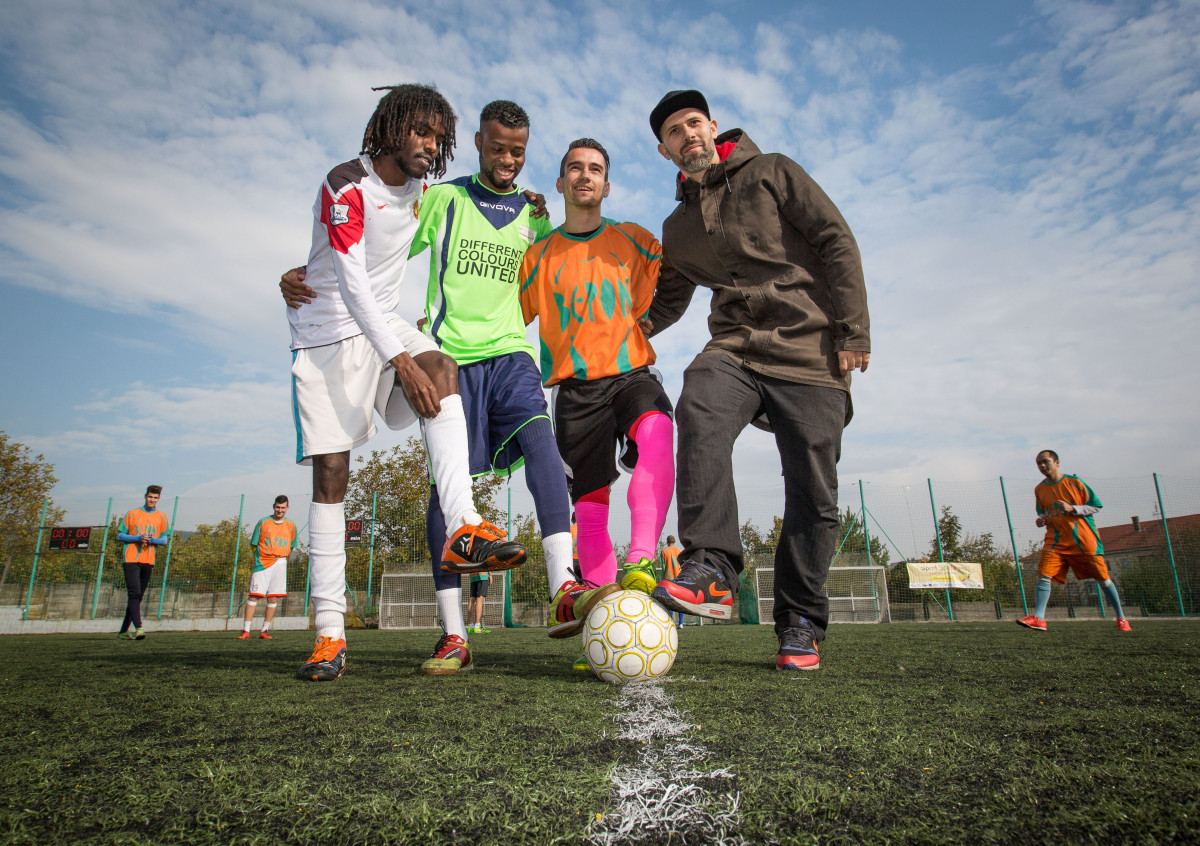
Fare Refugee Campaign 2026: successful grants
Fare Refugee Grants Successful grantees As part of the Fare Refugee campaign, Fare offered grants to organisations using football and sport to support…
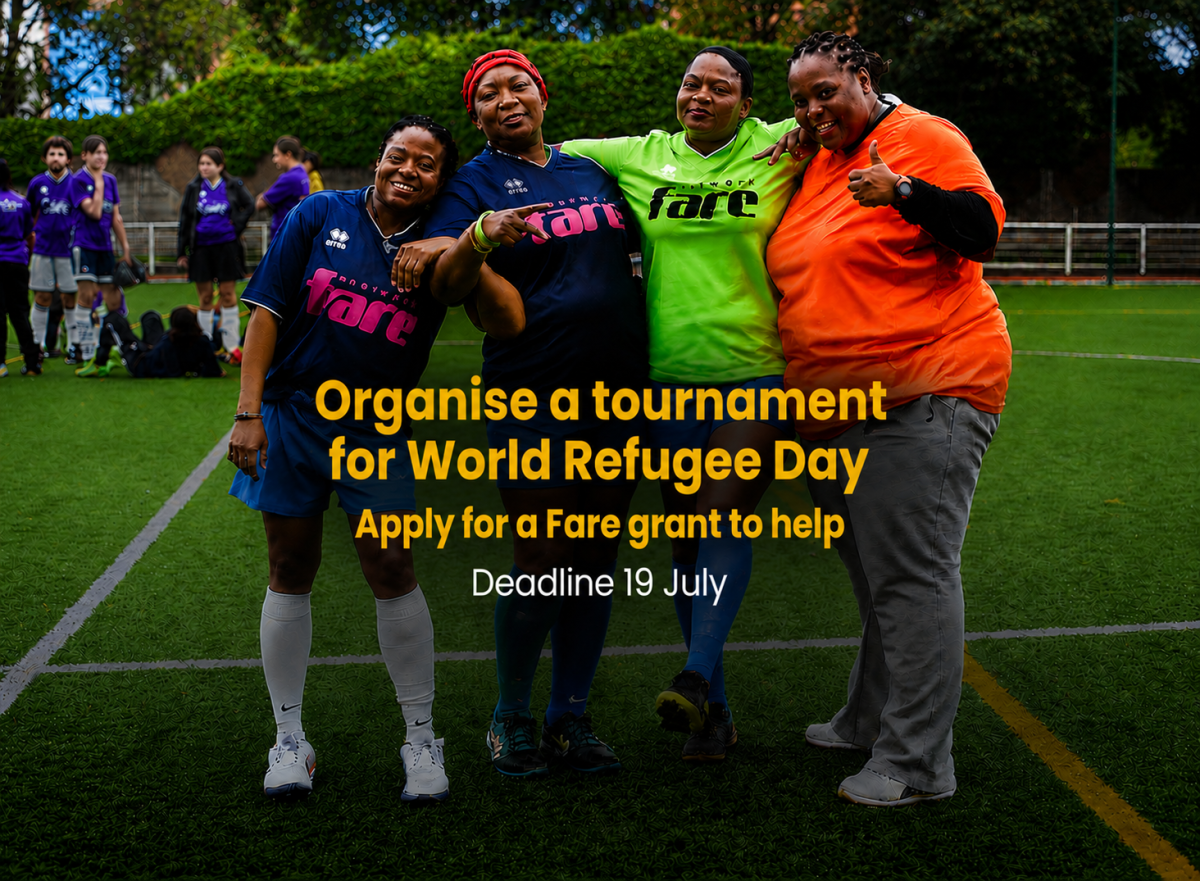
Celebrate World Refugee Day through Football
To mark World Refugee Day, we are launching the Fare Refugee Grants campaign to support organisations, grassroots clubs, NGOs, supporter groups, and…
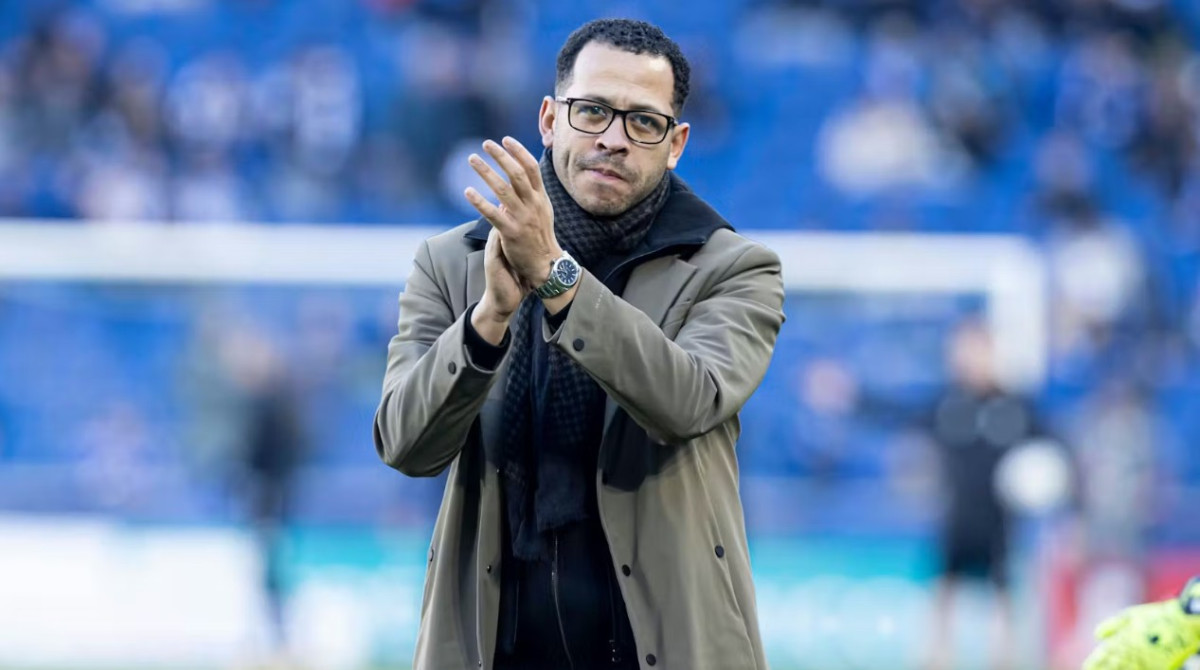
Is Liam Rosenior’s Chelsea appointment a landmark for diversity in English football?
Former Strasbourg, Hull City and Derby County coach Liam Rosenior has been named Chelsea FC’s new head coach, a historic appointment that is being celebrated as supporting racial diversity in football management.


 Report incident
