

Football v Homophobia Grants: Stories of Impact and Resistance
Every year, Football v Homophobia grants support organisations across the world that are working to challenge homophobia, transphobia and all forms of discrimination in football. From community tournaments and education programmes to podcasts, policy advocacy and creative activism, these initiatives show how grassroots action can transform the game.
Below is a selection of projects supported through FvH grants, highlighting the diverse ways communities are reclaiming football as a space of safety, joy and inclusion.
Ludopédio – LGBTQIAP+ Football Podcast Series (Brazil)
This project expanded Ludopédio’s work as a major football-research platform by producing a storytelling-based podcast series centred on LGBTQIAP+ experiences in Brazilian football. Building on earlier FARE-supported work, the team created four episodes addressing homophobia, lesbophobia and trans inclusion, aiming to reach both regular football followers and audiences unfamiliar with LGBTQ+ issues.
Across February and March, Ludopédio interviewed queer fan groups, women athletes, trans players and grassroots organisers, releasing episodes through major streaming platforms, including Spotify, Apple Podcasts, Google Podcasts and Anchor. Topics ranged from the challenges faced by LGBTQ+ supporters to the experiences of transmasculine footballers and the visibility of gay players in amateur leagues.
By amplifying diverse testimonies and reaching thousands through multi-platform dissemination, the project strengthened public understanding of LGBTQIAP+ realities in football, and provided an accessible entry point for wider conversations around inclusion.
You can find out more about their work here.
DIDESEX – Citizen Observatory on Discrimination in Mexican Football (Mexico)
DIDESEX created Mexico’s first citizen-led observatory dedicated to documenting discrimination across football. The initiative aimed to improve visibility of homophobia, racism, gender inequality and disability-based exclusion by equipping volunteers to observe, report and follow up on cases.
The project launched with the public presentation of a digital reporting platform, followed by nationwide training sessions to form a network of discrimination observers. Reports submitted through the site were channelled to national anti-discrimination bodies, with DIDESEX accompanying complainants through institutional processes.
Alongside monitoring and complaints handling, the organisation engaged in policy advocacy to press for recommendations that protect marginalised groups in football environments. With a countrywide presence and strong institutional partnerships, the project strengthened accountability mechanisms and empowered affected communities to claim their rights.
You can find out more about their work here.
Versus Periodismo Deportivo A.C – LGBTQ+ Media Guide for Sports Journalism (Mexico)
This initiative addressed the persistent misrepresentation and invisibility of LGBTQ+ people in sports media by developing a concise, practical guide for journalists and reporters. The aim was to reshape narratives, avoid harmful stereotypes and provide clear guidance on covering LGBTQ+ topics and incidents of homophobia in football.
The team consulted leading Mexican LGBTQ+ activists including Enrique Torre Molina, Milena Pafundi and Siobhan Guerrero to ensure the guide reflected lived experiences and best practice. To amplify its reach, Versus partnered with visible LGBTQ+ footballers Bianca Sierra and Stephany Mayor, producing a digital campaign to disseminate the material. Collaboration with regional organisations such as Ligas Femeninas (Peru) and LatFem (Argentina) helped extend its impact across Latin America.
Designed for newsrooms, journalism schools and media outlets, the guide provides an accessible tool to strengthen inclusive reporting and challenge homophobia in sports communication.
You can find out more about their work here.
Tomorrow Women in Sport – Anti-Homophobia Football Dialogues (Uganda)
Tomorrow Women in Sport organised a series of football-centred activities in Mukono District to address the harmful impact of homophobic language on LGBTQI players and fans. The project brought together athletes, supporters and local leaders for open discussions and inclusive football matches held across two days in February.
The main dialogue sessions explored how homophobic abuse contributes to stigma, poor mental health, reduced performance and barriers to participation. Two football matches symbolically positioned sport as a platform to “play against” abusive language while fostering interaction between LGBTQI players, fans and administrators. The initiative also launched a social media campaign with support from Kuchu Times and partnered with groups including the Federation of Uganda Football Associations, Tranz Network Uganda and Rella Women’s Organisation.
By combining education, community sport and online engagement, the project helped build the foundations of an LGBTQI-affirming football fan base in Uganda.
You can find out more about their work here.
Klitschko Foundation – Anti-Homophobia Training Programme for Coaches (Ukraine)
The Klitschko Foundation delivered an intensive education programme for youth football trainers to address homophobia and transphobia within school and club environments. Working with clubs such as Shakhtar and Dynamo Kyiv, the foundation organised nine online sessions led by psychologists, coaches, journalists, Kyiv Pride and Football v Homophobia representatives.
Fifty trainers participated in lectures and practical exercises exploring discrimination, gender equality and support for LGBTQ+ athletes. Each trainer then held follow-up sessions with their own teams, enabling more than 400 pupils across Ukraine to benefit from newly acquired tools. Pre- and post-programme interviews showed significant shifts in attitudes and understanding of how to address bullying, rejection and gender-based exclusion in sport.
The project also produced visibility materials, including a photoshoot and branded T-shirts, and awarded certificates to all participating trainers, reinforcing long-term commitment to inclusive coaching.
You can find out more about their work here.
Lupi Roma Outsport – #NoDiscriminHate Video Campaign (Italy)
Lupi Roma Outsport continued its longstanding collaboration with Liberi Nantes to produce a video campaign addressing homophobia and racism in football. With in-person tournaments suspended due to the pandemic, the team shifted to a digital format, creating a video built around a double interview between a gay player and a refugee player.
Ahead of the launch, both teams mobilised their players to share clips and images on social media under the slogan #NoDiscriminHate, building visibility for the campaign. The final video, subtitled in English and Arabic in partnership with the British Council of Italy, was released on Instagram and Facebook alongside national press outreach.
By connecting LGBTQ+ athletes, refugees and grassroots football communities, the project reinforced solidarity across groups often targeted by discrimination while keeping inclusive football activism alive during COVID-19 restrictions.
You can find out more about their work here.
Goal Diggers Football Club – ‘For the Love of the Game’ Protest Kit (United Kingdom)
To mark 100 years since the FA’s ban on women’s football, Goal Diggers FC created an educational “protest kit” celebrating the resilience of the women who defied exclusion and fought for the right to play. Developed with the National Football Museum, the kit centred on historical figures including Helen Matthews, Alice Kell, Sue Lopez, Hope Powell and Chloe Morgan.
The club produced an educational booklet and video, and hosted a public Zoom event featuring partner women’s teams in Italy and France. The session explored past and present struggles in women’s football while highlighting the kit’s message of pride, resistance and visibility.
The project revived erased histories, strengthened international connections and offered a powerful symbol of ongoing fights against sexism and homophobia in the sport.
You can find out more about their work here.
Revista Gambiarra – ‘24’ LGBTQIAP+ Football Podcast Series (Brazil)
Revista Gambiarra produced a four-part narrative podcast series examining LGBTQIAP+ experiences in Brazilian football. With Brazil facing alarming levels of homotransphobic violence, the project aimed to raise awareness, document stories and normalise LGBTQ+ perspectives within football culture.
The series explored historical events, fan cultures, the policing of athletes’ bodies and the intersections of race, gender and sexuality. Episodes were released weekly on Spotify and Orelo, targeting audiences interested in football’s social impact. Collaboration with Ludopédio and the Observatory of Racial Discrimination in Football strengthened both research quality and outreach.
By reclaiming narratives often erased from mainstream media, “24” helped make LGBTQIAP+ identities visible within one of Brazil’s most powerful cultural spaces.
You can find out more about their work here.
Associação para o Planeamento da Família – Youth Workshops Against Homophobia (Portugal)
APF expanded its long-standing sexual and reproductive health work into youth football by partnering with Leixões SC to deliver workshops on homophobia, gender norms and discrimination. The initiative engaged 25 young players aged 12–16 and used FARE’s educational toolkit alongside APF’s materials on masculinities and heterosexism.
Due to pandemic restrictions, three planned workshops were delivered online and broadcast through the club’s channels, each attracting high participation and thousands of views. Sessions addressed toxic masculinities, sexual diversity and urban art as activism. Young people then worked with graffiti artist Paulo Boz to design public anti-homophobia art later installed with municipal support.
The project closed with a short film documenting the process, reinforcing long-term educational impact and showcasing the role of youth sport in challenging discrimination.
You can find out more about their work here.
Stars Łódź – Inclusive Walking Football Sessions (Poland)
Stars Łódź, a new inclusive walking-football team, organised a month-long programme of open training sessions to welcome LGBTQ+ people, older participants and anyone excluded from mainstream sport. The aim was to create a safe, accessible environment free from judgment or barriers.
Across February, four open sessions culminated in a friendly tournament offering gifts and specially designed medals for all participants. The team promoted the event through LGBTQ+ organisations and displayed Football v Homophobia banners, shirts and bags to emphasise its inclusive message. Local sponsors contributed additional support.
The initiative expanded the team’s community, raised visibility for LGBTQ+ inclusion in Polish grassroots football and demonstrated that football can be played and enjoyed beyond traditional norms.
You can find out more about their work here.
Športno društvo Out in Slovenija – Human Rights Roundtable (Slovenia)
Out in Slovenija hosted an international online roundtable on the situation of “invisible” minorities in sport across Central and Eastern Europe. The event examined how COVID-19 affected LGBTQI+ athletes and other marginalised groups, and highlighted gaps in protection and representation.
Speakers included researchers, activists and sports organisers from Slovenia, Italy, the Netherlands, Poland, Bulgaria and Hungary. Following the plenary session, participants joined smaller workshops to exchange experiences and identify opportunities for cross-border collaboration.
By bringing together regional experts and community leaders, the project strengthened dialogue on human rights in sport and drew attention to the systemic barriers faced by LGBTQI+ communities in the region.
You can find out more about their work here.
Agency of Youth Promotion and Development COMPASS – Street Art & Film Campaign (Georgia)
COMPASS launched a creative campaign using street art and film to challenge stereotypes about LGBTQ+ people and promote human rights within Georgian society. The project sought to spread accurate information and empower young activists in a context where discrimination often remains unaddressed.
Working with Tbilisi Pride and community organisers, the team held film screenings followed by open discussions, enabling participants to reflect on everyday discrimination. Graffiti workshops equipped youth leaders and minority groups with artistic tools to express messages of equality in public spaces, creating long-term capacity for ongoing activism.
The project fostered collaboration between activists and artists, ensuring skills and networks would continue to support creative human-rights initiatives across Tbilisi and Batumi.
You can find out more about their work here.
Sicilya Demir Spor – ‘Building Bridges’ Inclusive Online Gathering (Turkey)
Sicilya Demir Spor organised an online event titled “Building Bridges: An Inclusive Gathering” to promote dialogue between communities that rarely interact in Turkey’s polarised social climate. The event addressed sexism, homophobia and discrimination across football and society more broadly.
Participants included LGBTQ+ teams, disability-rights groups, mental-health advocates, university researchers and civil society organisations. Presentations covered topics such as hate speech, gender stereotypes, experiences of gay athletes and the barriers faced by trans players. A participatory session allowed attendees to share their own stories, including testimony from a trans team member of Sicilya Demir Spor.
Collectively, the gathering highlighted shared struggles across movements and emphasised the importance of dialogue, empathy and solidarity in combating discrimination in Turkish football and beyond.
You can find out more about their work here.
Activ’elles – ‘Jouons Contre Les Discriminations’ Board Game (France)
Activ’elles collaborated with students from a local SEGPA school to design and produce an educational board game addressing sexism, homophobia, racism and discrimination in sport. The project aimed to teach acceptance and respect through a creative, youth-led process.
Over two months, students researched intersectional issues in football, devised game mechanics, and created the board, graphics, counters and question cards. Activ’elles then supported the production of four durable boxed editions to be used in local schools, social centres and clubs. Early rollout has begun with school groups, with plans for wider use by the medical and social-care sectors.
The project empowered students in challenged education pathways, giving them ownership of a tool that promotes inclusion and sparks meaningful discussion among peers and educators.
You can find more about their work here.
Latest News Articles
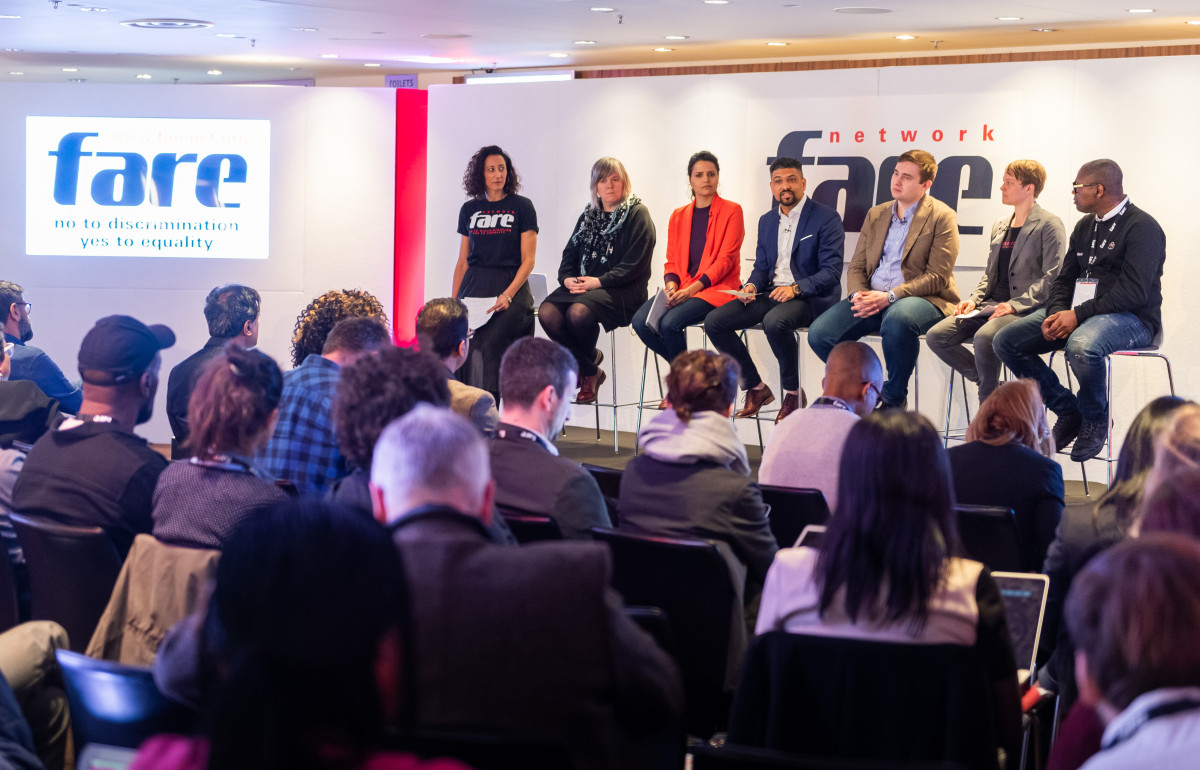
Call for Participation: An invitation to a Regional Balkan Forum
Fare network invites members and representatives of civil society and sport organisations from across the Balkans to take part in the Balkan Football…
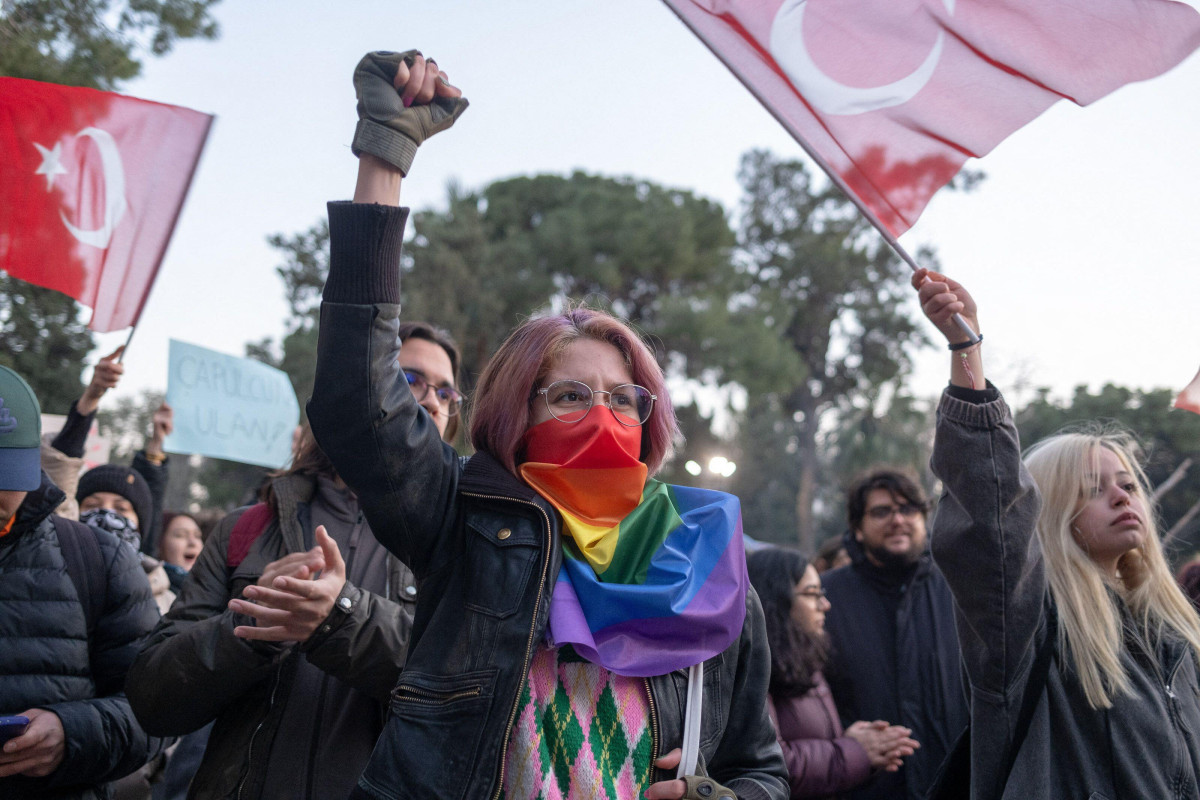
The Fare network condemns crackdown on LGBTIQ+ organisations in Turkey
The Fare network condemns the prosecution of LGBTIQ+ organisations in Turkey. In the early hours of Sunday, 13 September, Turkish police carried out…
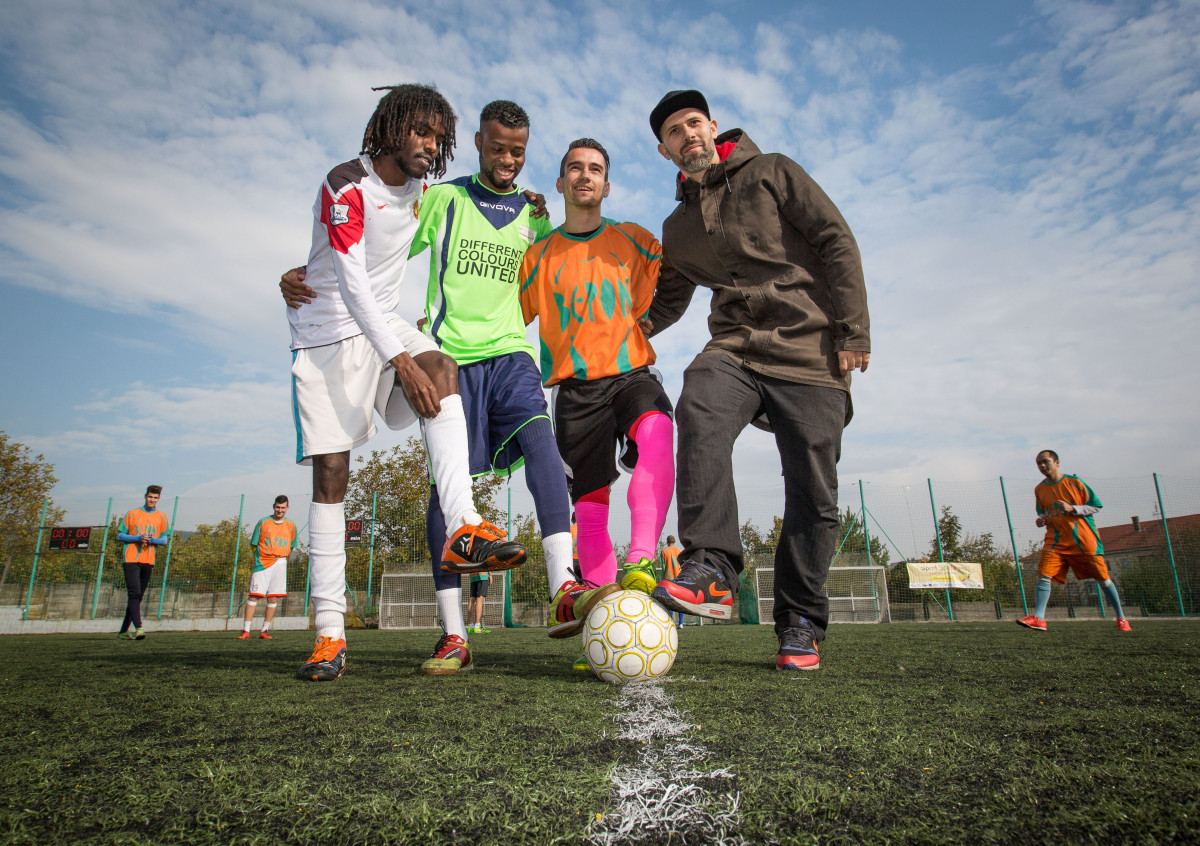
Fare Refugee Campaign 2026: successful grants
Fare Refugee Grants Successful grantees As part of the Fare Refugee campaign, Fare offered grants to organisations using football and sport to support…
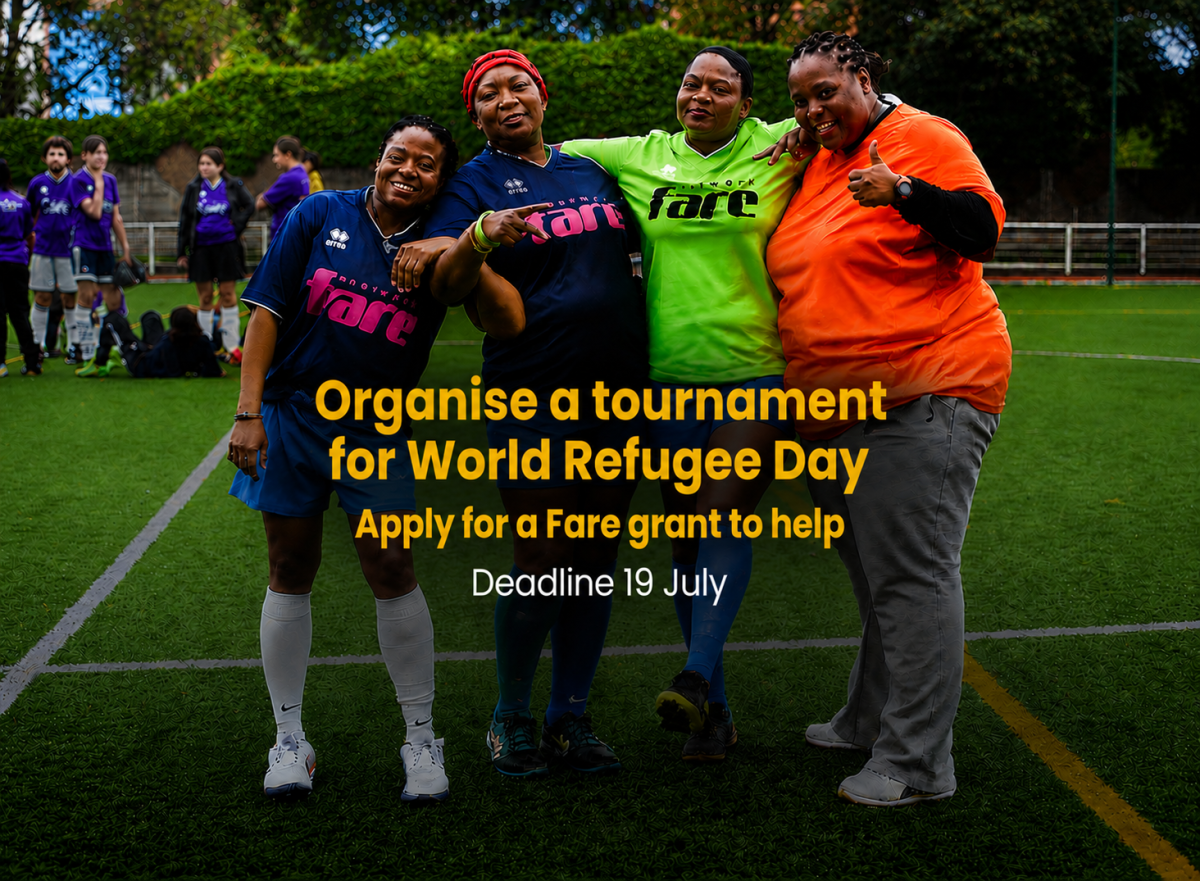
Celebrate World Refugee Day through Football
To mark World Refugee Day, we are launching the Fare Refugee Grants campaign to support organisations, grassroots clubs, NGOs, supporter groups, and…
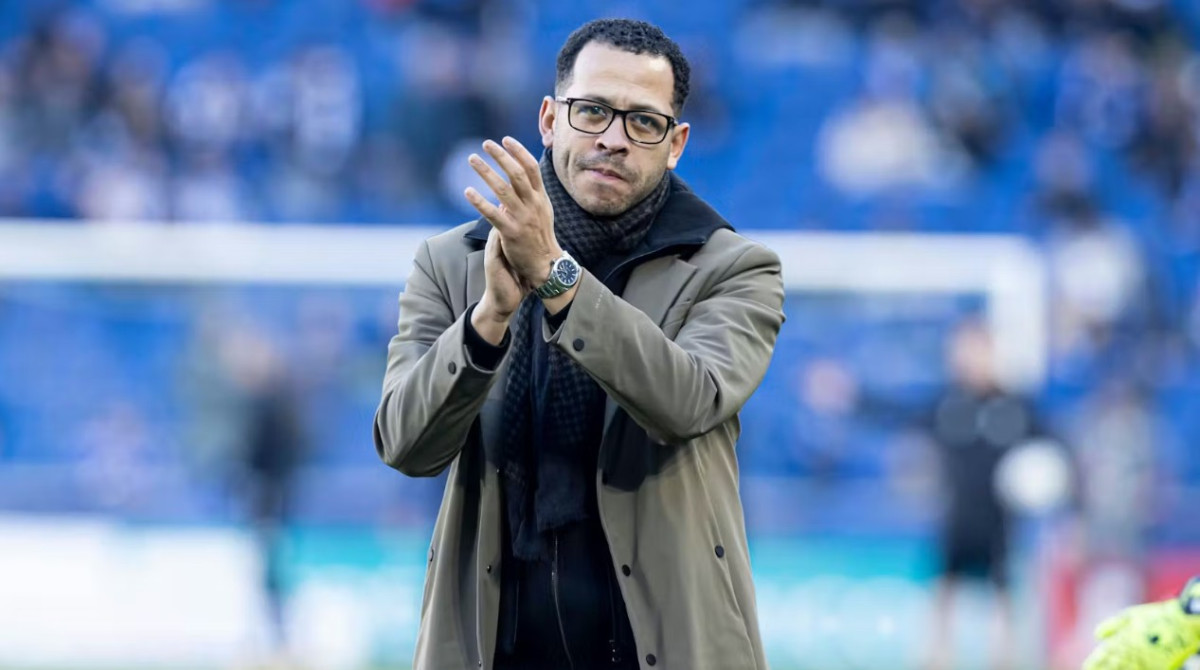
Is Liam Rosenior’s Chelsea appointment a landmark for diversity in English football?
Former Strasbourg, Hull City and Derby County coach Liam Rosenior has been named Chelsea FC’s new head coach, a historic appointment that is being celebrated as supporting racial diversity in football management.

 Report incident
