

Togetherness and community building through football in Warsaw
Togetherness and community building through football in Warsaw
At a pitch just outside of central Warsaw you are as likely to hear Polish as Arabic, Ukrainian, Spanish, or Yoruba. Players from dozens of countries warm up side by side, adjusting their bibs, laughing, and switching between languages. This is Etnoliga, an intercultural football league that has quietly become one of Europe’s most enduring and successful community inclusion projects.
Run by Fundacja dla Wolności (Foundation for Freedom), Etnoliga has, since its launch in 2005, brought together more than 120 nationalities on the same pitch, refugees, migrants, and local residents, men and women, professionals and amateurs. What began as a small grassroots experiment has evolved into a symbol of Warsaw’s resilience and growing diversity.
Football in a City of Contradictions
Warsaw presents a unique setting for such a project. Poland’s capital is a rapidly developing European city, but also one where migration and identity remain contested issues. The country’s reception of Ukrainian refugees after 2022 has shown generosity and some strain. Meanwhile, refugees from the Middle East or Africa often encounter suspicion, bureaucracy, and exclusion.
Creating a space like Etnoliga, where everyone, regardless of nationality, gender, or immigration status, can play freely, is therefore quite a radical act. “Football is our common language,” says Krzysztof Jarymowicz, one of the league’s coordinators at Fundacja dla Wolności. “We don’t ask where you are from. We ask, ‘Can you play? Can you respect others?’ That’s all.”
This simplicity masks the difficulties of the task. Warsaw’s fragmented migrant landscape makes outreach difficult: communities are scattered, some transient, others hesitant to engage. The organisers work year-round to recruit players through asylum seekers’ centres, language schools, UNHCR and NGOs supporting refugees. They have a group of social workers and educators, and also maintain close relationships with local partners to ensure the league remains accessible and safe.
Etnoliga’s success lies in its methodology of intentional mixing. Teams are designed to bring together people who would rarely meet in daily life, locals, asylum seekers, long-term residents, and newcomers. The league is non-commercial and free of charge, removing financial barriers that often exclude the most marginalised.
Each team must include players of different genders and nationalities. Fair play, off-pitch activities, volunteering and soft skills workshops are scored alongside results. Pre-match meetings and post-game discussions encourage teams to reflect on cooperation, mutual respect and project progress.
“Sometimes players come angry or frustrated from their daily lives,” explains Olga Khabibulina, a long-term volunteer. “But once the whistle blows, they start to see each other as teammates, not as refugees or foreigners.”
Workshops on anti-discrimination, gender equality, and cultural exchange are integrated into the season. Music, food, and storytelling events accompany the games, transforming Etnoliga from a league into a miniature community. For Fundacja dla Wolności, sport is only the beginning; the deeper aim is civic inclusion. And many participants go on to volunteer, find local jobs, or start their own initiatives.
The World in One League
Over the years, Etnoliga has hosted players from more than 120 countries — including Ukraine, Belarus, Georgia, Afghanistan, Syria, Iraq, Palestine, Cameroon, Nigeria, Colombia, Spain, France, and Poland itself. It is common to see matches where teammates come from five continents, passing and joking in broken Polish or improvised English.
For many migrants and refugees, the league offers the first opportunity to integrate socially in Poland. “When I arrived from Iraq, I didn’t know anyone,” says Ali, now a co-captain of one of the mixed teams. “Through Etnoliga I made friends, learned the language, and felt part of the city. Here I am not a refugee. I am a player.”
Women’s participation is also central to the league’s philosophy. Every team must field at least two women per match, and many now include several. Some female participants have gone on to coach youth teams or act as inclusion ambassadors, helping to reshape traditional gender norms within both migrant and local communities.
Running an intercultural project of this scale is not without obstacles. Funding remains inconsistent, often relying on small grants and volunteer labour. Political shifts in Poland have also affected the broader environment for NGOs working with migrants. Yet, despite these pressures, Etnoliga continues to grow; it’s impact has been recognised by UEFA.
Recently, the organisers teamed up with the Polish Football Association to form a Polish National Team composed of refugee and host community players to take part in the Unity EURO Cup hosted by UEFA and UNHCR. “We were delighted to witness this historic moment and to cheer for the people who came to Poland to rebuild their lives and now have the chance to share their love for sport in this special tournament,” says Kevin J. Allen, UNHCR Representative in Poland.
“The project survives because it belongs to everyone,” says Jarymowicz. “Players take responsibility for it. They protect it.”
The atmosphere at each match tells its own story: a Zimbabwean goalkeeper high-fiving a Polish defender, a Congolese forward celebrating with a Ukrainian midfielder, a local volunteer handing out fruit and tea at halftime. It’s a human scene, and a quiet act of defiance against division.
A Model for Europe
As Europe grapples with questions of migration and identity, Etnoliga offers a blueprint: inclusion built through everyday encounters, equality enforced through rules of play, and solidarity learned through teamwork. Its methodologies, mixed teams, free participation, gender balance, and dialogue-led refereeing, have inspired similar projects in Germany, Italy, and the Czech Republic.
Etnoliga does not try to solve migration policy; it simply builds belonging, one match at a time.
As one volunteer put it: “In Warsaw, we may speak 50 languages, but when the game starts, we all understand each other.”
After two decades, that remains Etnoliga’s quiet triumph, proof that on the football pitch, diversity is not a challenge to be managed, but a strength to be celebrated.
Latest News Articles
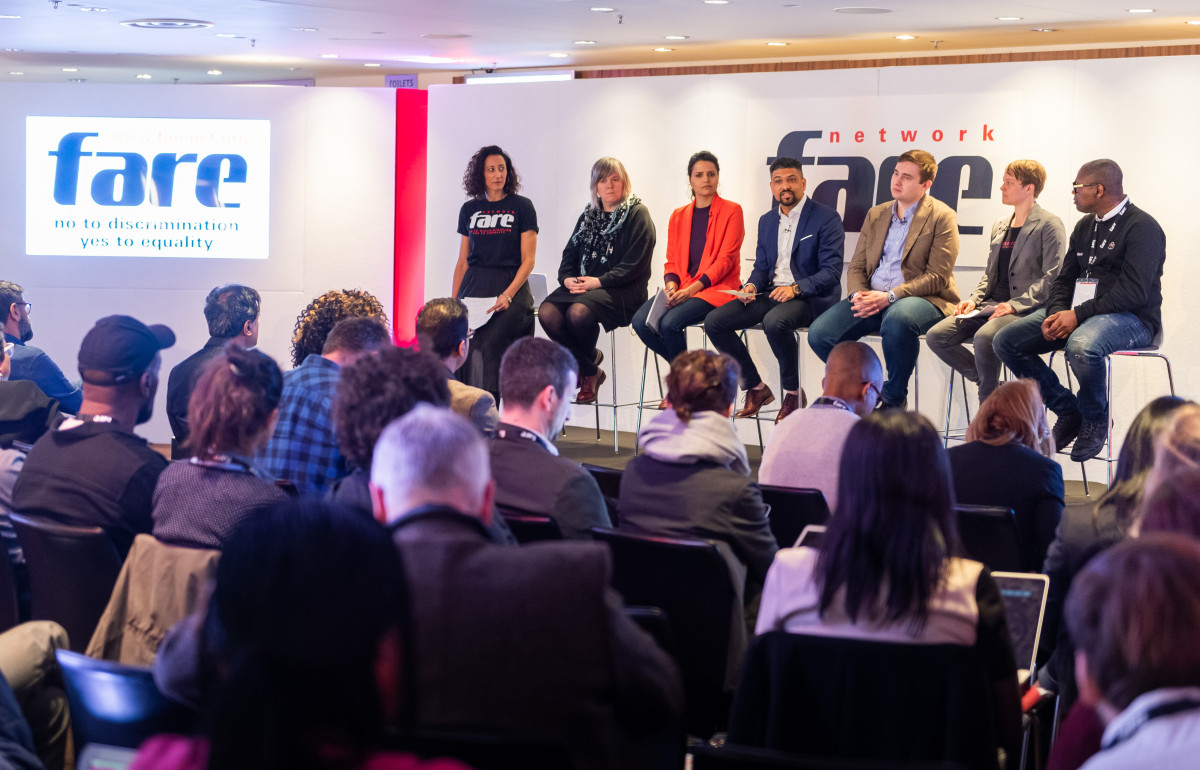
Call for Participation: An invitation to a Regional Balkan Forum
Fare network invites members and representatives of civil society and sport organisations from across the Balkans to take part in the Balkan Football…
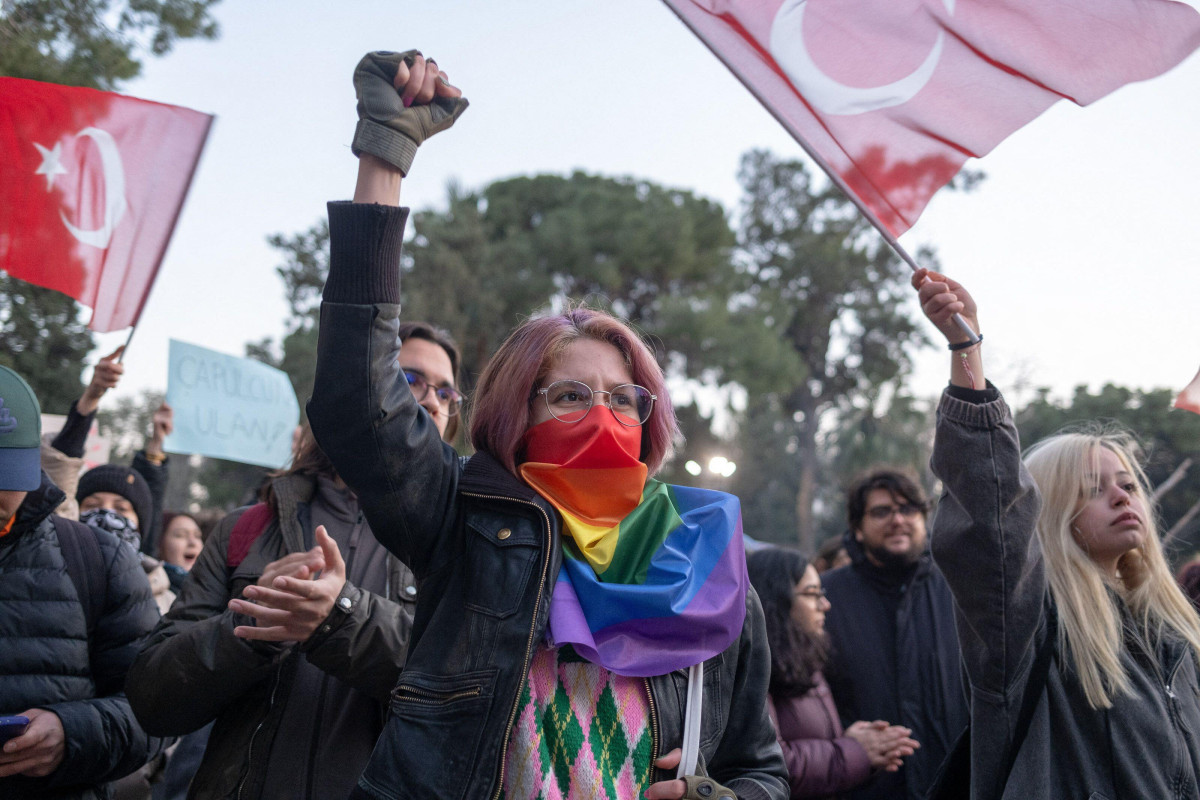
The Fare network condemns crackdown on LGBTIQ+ organisations in Turkey
The Fare network condemns the prosecution of LGBTIQ+ organisations in Turkey. In the early hours of Sunday, 13 September, Turkish police carried out…
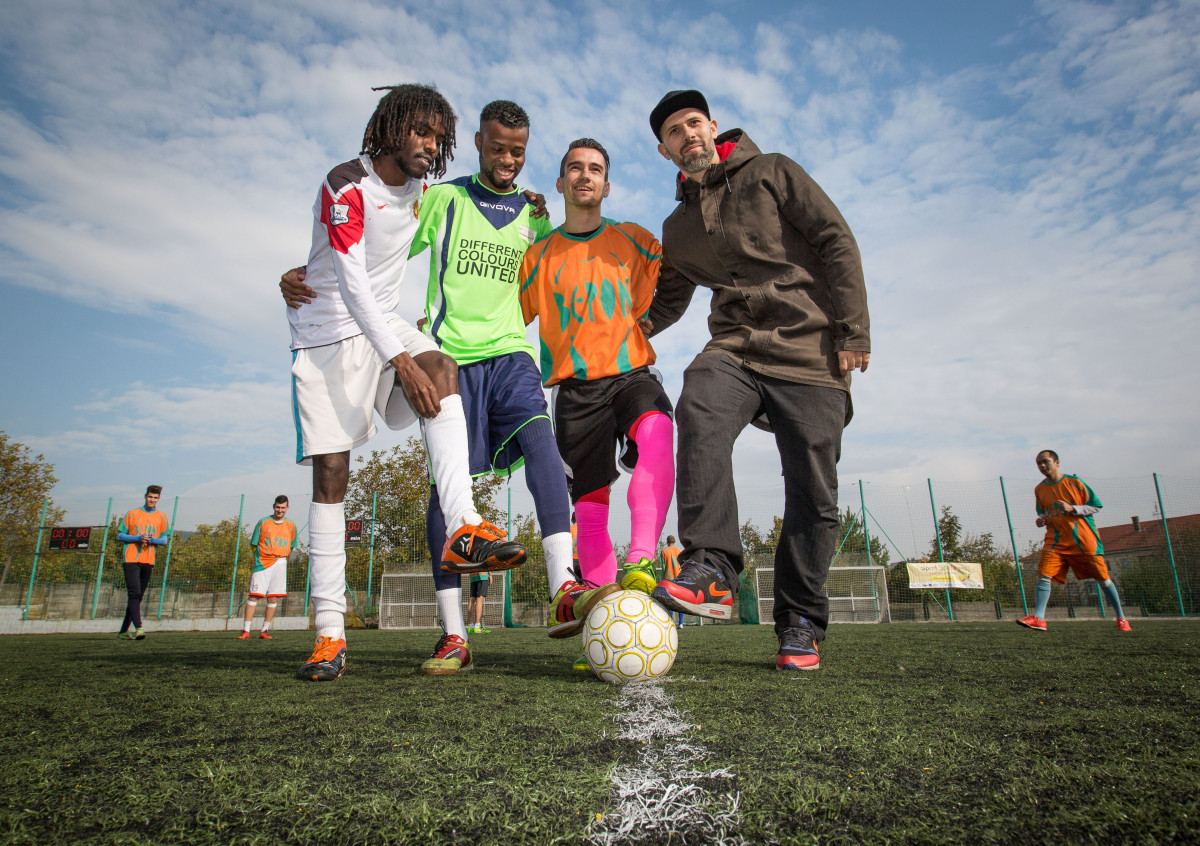
Fare Refugee Campaign 2026: successful grants
Fare Refugee Grants Successful grantees As part of the Fare Refugee campaign, Fare offered grants to organisations using football and sport to support…
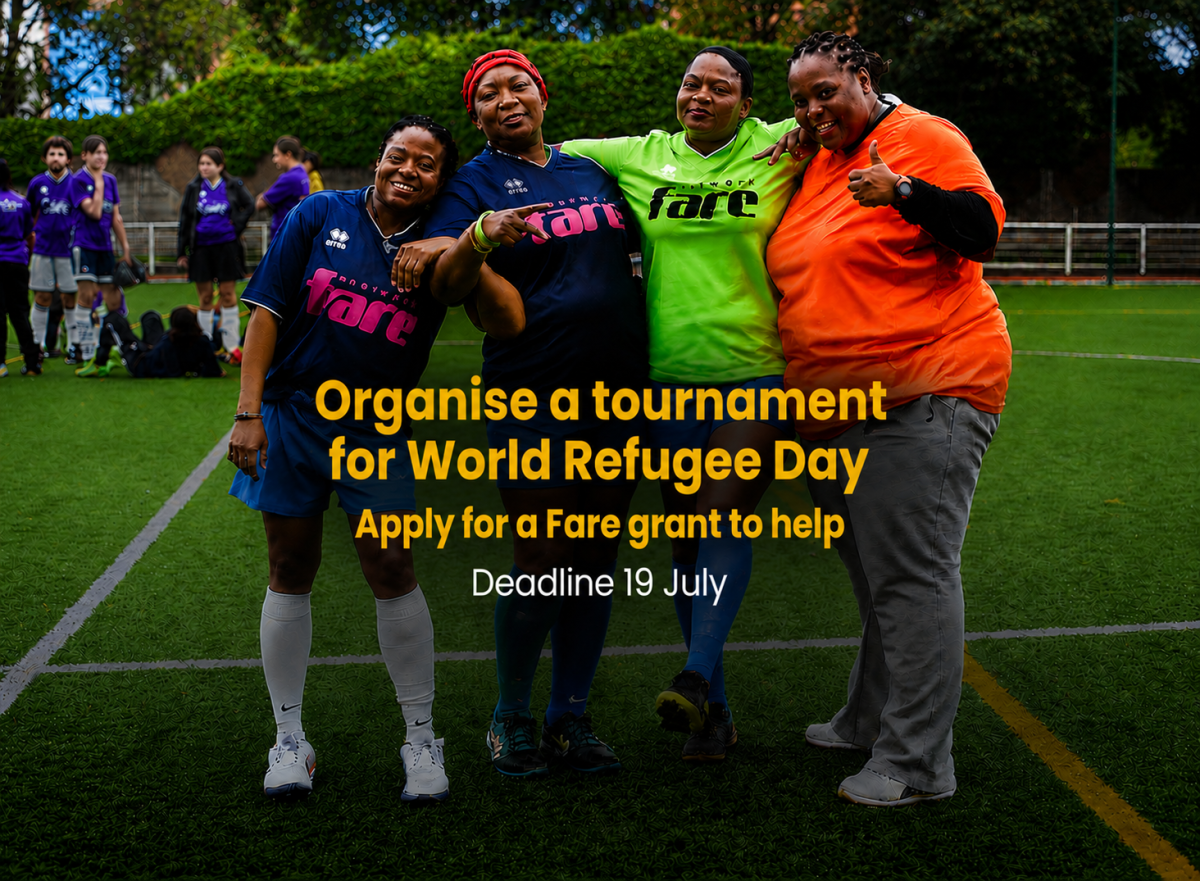
Celebrate World Refugee Day through Football
To mark World Refugee Day, we are launching the Fare Refugee Grants campaign to support organisations, grassroots clubs, NGOs, supporter groups, and…
Is Liam Rosenior’s Chelsea appointment a landmark for diversity in English football?
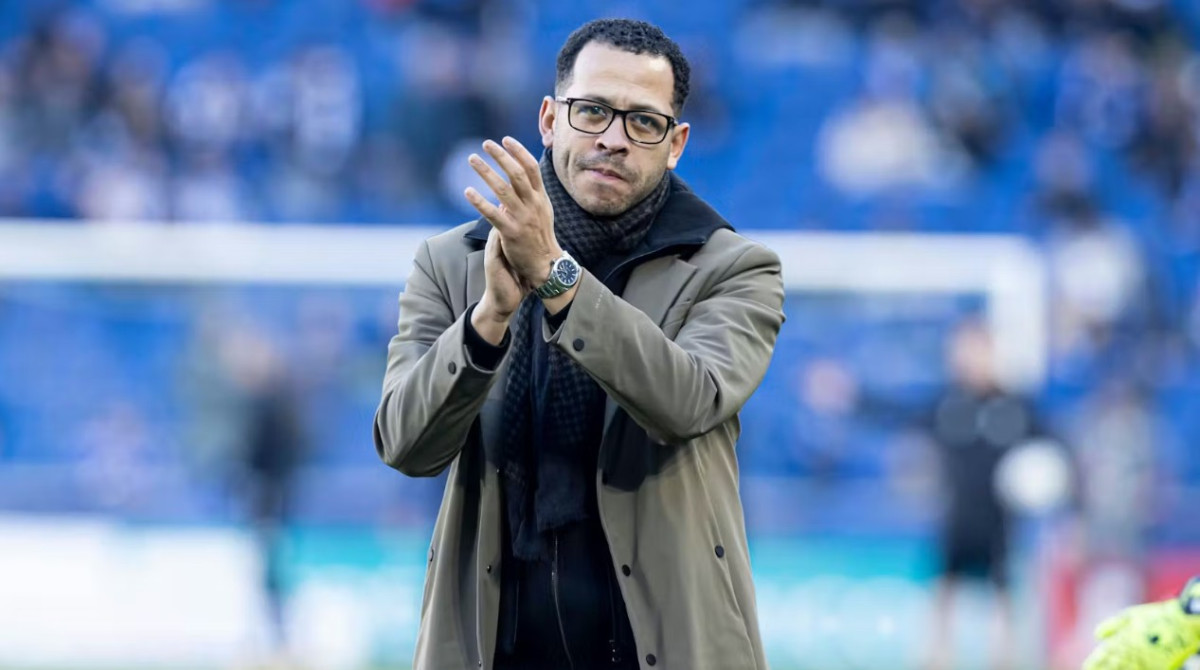
Former Strasbourg, Hull City and Derby County coach Liam Rosenior has been named Chelsea FC’s new head coach, a historic appointment that is being celebrated as supporting racial diversity in football management.

 Report incident
