

End “shrink it and pink it” says a new study on womenʼs sports gear
Despite advances in sports technology, the industry still designs running shoes from moulds based on men’s feet.
A new Canadian-led study challenges the global sports industry to abandon the “shrink it and pink it” approach to women’s sports shoes. The study urges redesign of women’s running shoes to reflect anatomy, comfort, and performance needs
Researchers say most models of womenʼs shoes still derive from men’s designs, disregarding female anatomy, biomechanics and life-stage needs - from pregnancy to menopause.
This research highlights the bias of producing sports equipment, where women’s gear is often treated as a derivative of men’s. The findings call for an inclusive approach that recognises sex and gender differences as central design criteria.
A lead author of the work says, “If a shoe had been designed from a woman’s foot, would I be running without getting injuries?”
The study was led by Christopher Napier and his colleagues at the University of British Columbia and the University of Melbourne. They explored the footwear needs and preferences of 21 women runners aged 20 to 70, including both recreational and competitive runners, nearly half of whom had run during or after pregnancy.
Participants described how most running shoes felt unsuited to their bodies, forcing them to adapt to designs that prioritised style over comfort or performance. They identified recurring issues: narrow toe boxes, heels that failed to stabilise the foot, and insufficient cushioning for longer runs. “If a shoe had been designed from a woman’s foot, would I be running without getting the injuries?” one participant asked — a phrase that later became the study’s title.
The research identified three main themes:
• Comfort and feel were the top priorities, with runners valuing a natural fit over aesthetics.
• Injury prevention emerged as a key motivation, with many believing improper shoe design contributed to recurring injuries.
• Context-specific needs, such as trail versus road running, or running during pregnancy and ageing, required adaptable features like wider soles and additional support.
Napier emphasised the need to “design from women’s data, not simply resize men’s models”. Co-author Allison M. Ezzat added that women’s footwear “must evolve with women’s bodies and experiences across their lives — from competitive sport to pregnancy and beyond.”
Despite advances in sports technology, the industry still designs most running shoes from “lasts” - three-dimensional moulds - based on men’s feet. These are merely reduced in size and recoloured for women, a practice researchers term “shrink it and pink it”. Such models overlook key sex-based differences: women generally have wider forefeet, narrower heels, higher insteps, and different gait patterns.
Market data underscores the imbalance. Although women make up nearly half of global running participants, less than 20% of Research and Development in running footwear focuses on women-specific biomechanics. The study argues that these gaps persist due to entrenched industry norms and the dominance of male testing subjects in design and validation trials.
The researchers recommend a complete shift towards evidence-based, sex- and gender-informed footwear design. This means creating women-specific lasts, integrating data from diverse female runners, and accounting for physiological changes across the lifespan. They call for collaboration between manufacturers, clinicians, and women athletes to develop prototypes reflecting genuine biomechanical diversity.
Latest News Articles
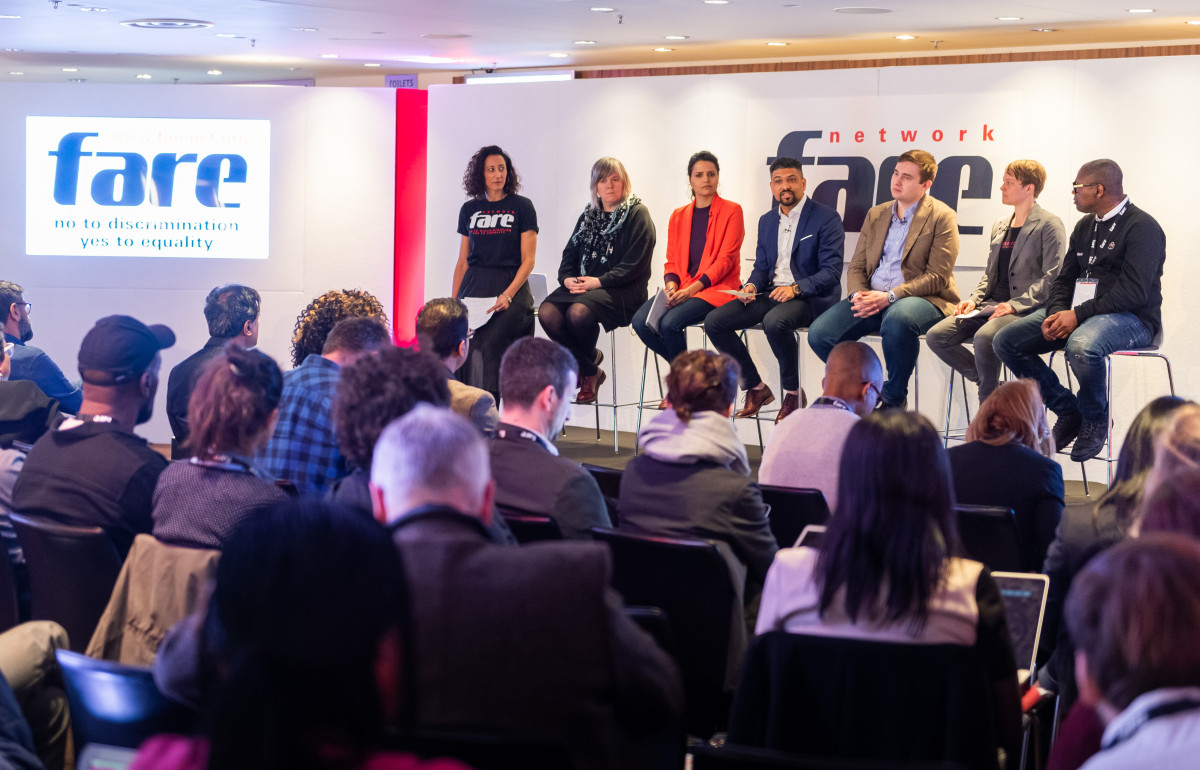
Call for Participation: An invitation to a Regional Balkan Forum
Fare network invites members and representatives of civil society and sport organisations from across the Balkans to take part in the Balkan Football…
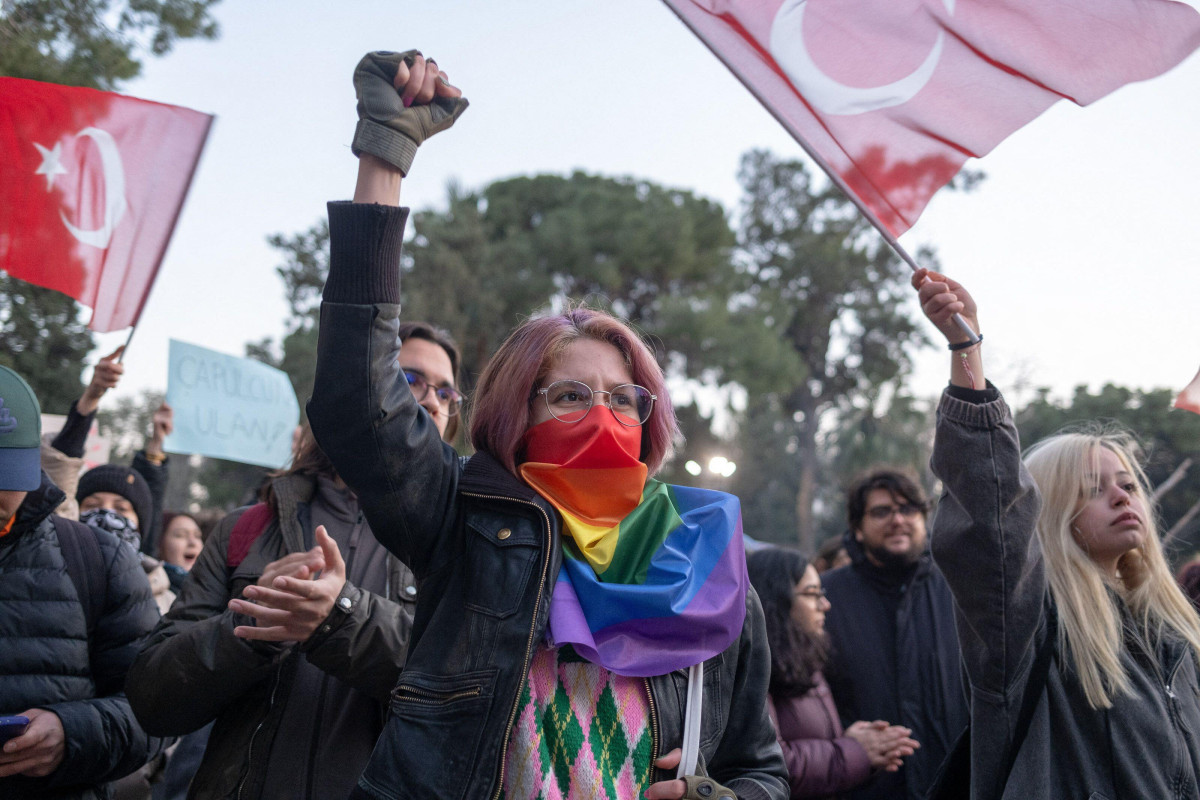
The Fare network condemns crackdown on LGBTIQ+ organisations in Turkey
The Fare network condemns the prosecution of LGBTIQ+ organisations in Turkey. In the early hours of Sunday, 13 September, Turkish police carried out…
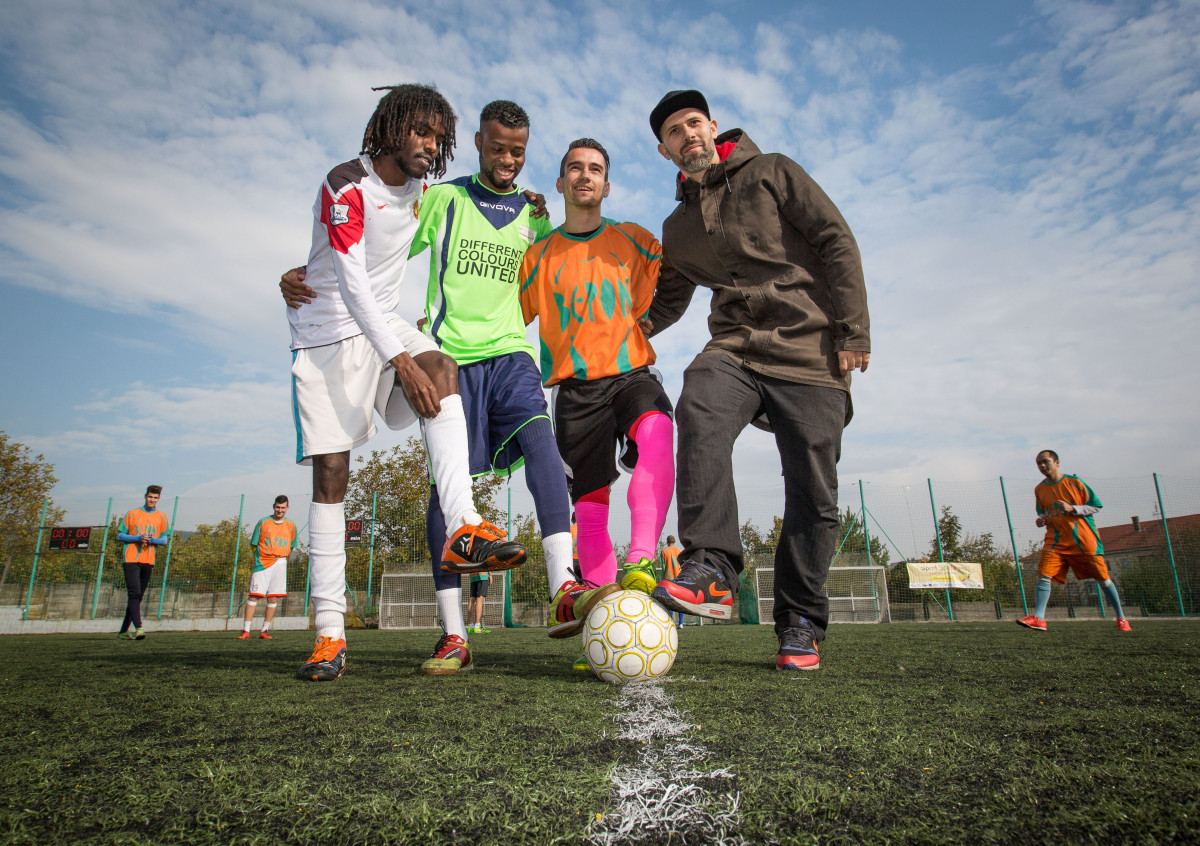
Fare Refugee Campaign 2026: successful grants
Fare Refugee Grants Successful grantees As part of the Fare Refugee campaign, Fare offered grants to organisations using football and sport to support…

Celebrate World Refugee Day through Football
To mark World Refugee Day, we are launching the Fare Refugee Grants campaign to support organisations, grassroots clubs, NGOs, supporter groups, and…

Is Liam Rosenior’s Chelsea appointment a landmark for diversity in English football?
Former Strasbourg, Hull City and Derby County coach Liam Rosenior has been named Chelsea FC’s new head coach, a historic appointment that is being celebrated as supporting racial diversity in football management.


 Report incident
