

World Cup 26: “Walking away is not an easy option. But nor is unconditional participation”
BLOG: JOHN OLIVIEIRA
The World Cup matters deeply to millions around the world. FIFA may hold the commercial and organisational IP, but emotionally the tournament belongs to us all.
And that’s why the human rights context of the 2026 tournament can’t be brushed aside. The situation in the U.S. is declining - it HAS declined - and there are now real dangers for people in host communities and for many of us who may be considering going and are from minority backgrounds.
Right now, travel and access are being tightened: the U.S. State Department has announced a temporary pause on immigrant visas for nationals of 75 countries. It is about immigrant visas, but it signals the wider climate; watch your TV screens and social feeds, and the brutality is there to see. Uncertainty spreads fast to fans and diaspora communities planning travel.
We should be clear that the 2026 World Cup in the United States cannot be treated as ‘just sport’. Mega-events of this scale are never neutral. They don’t just reflect power, they help normalise it. The tournament is already political, as a stage, a showcase, and an instrument of soft power. If you respond by simply saying “we will participate” you are also choosing a side: the side of normalisation.
This is where the debate between boycott and engagement needs to mature. Walking away from the event in the U.S is not an easy option. But neither is unconditional participation. My view is that engagement must be tied to pressure: public, enforceable requirements addressed to FIFA and host authorities.
Why now? Three developments make the human rights and access questions immediate. First, the U.S. State Department has announced a temporary pause on immigrant visa issuance for 75 countries. Whatever legal caveats exist, it is a clear signal of a tightening environment, and it creates uncertainty for people planning to travel as fans, as journalists, or to perform other roles.
Second, even where exemptions are discussed for major sporting events, reporting suggests they are narrow and far from comprehensive. A ticket, accreditation, or invitation is not a guarantee of entry. FIFA and host cities must publish clear, enforceable access pathways and remedies when people are refused.
Third, the enforcement climate is chilling. People worry about being detained, even by mistake, and about heavy policing around public events. For many supporters, that chilling effect on travel decisions and perceptions of safety is real.
As chair of the Fare network Stichting in the Netherlands, I draw on the experience of an independent human rights organisation that monitors matches across Europe, including UEFA Champions League fixtures and international games, with a specific focus on discrimination in and around football. We also work with FIFA on monitoring international fixtures and have been involved in multiple football mega-events worldwide, where we set up collaborations with civil society partners, because credible interventions depend on independent expertise and community trust.
That experience is consistent and tells us that without independent scrutiny, commitments stay on paper. Without transparency, responsibility is diluted and reframed as isolated “incidents” rather than as structural patterns that require structural solutions.
Amidst all of the stories now emerging on possible boycotts and withdrawals, including by European FAs, for me, there are some simple non-negotiables for the 2026 World Cup in the United States:
- Guaranteed access for supporters and media from all qualified nations, with clear safeguards on visas, border procedures, and protection against arbitrary refusals
- Independent human rights monitoring with transparent public reporting and a credible escalation mechanism when commitments are breached
- A binding anti-discrimination and safety protocol covering stadiums and fan zones, including reporting channels, victim protection, and meaningful sanctions
If these conditions are not secured, then it is entirely reasonable to withdraw official delegations and campaigns. Matches might still be played, but the public relations shield should not remain intact.
This is not about symbolism or gesture politics. It is about setting a standard and being clear about where the line is drawn.
FIFA should publish its access and safeguarding guarantees now, or accept that the shine will come off, the World Cup will no longer be the celebration of humanity it is claimed to be.
*John Olivieira is Chair of Fare Network Stichting (Netherlands), affiliated with the wider Fare network, and publisher of OneWorld in Amsterdam. He writes in a personal capacity.
Latest News Articles
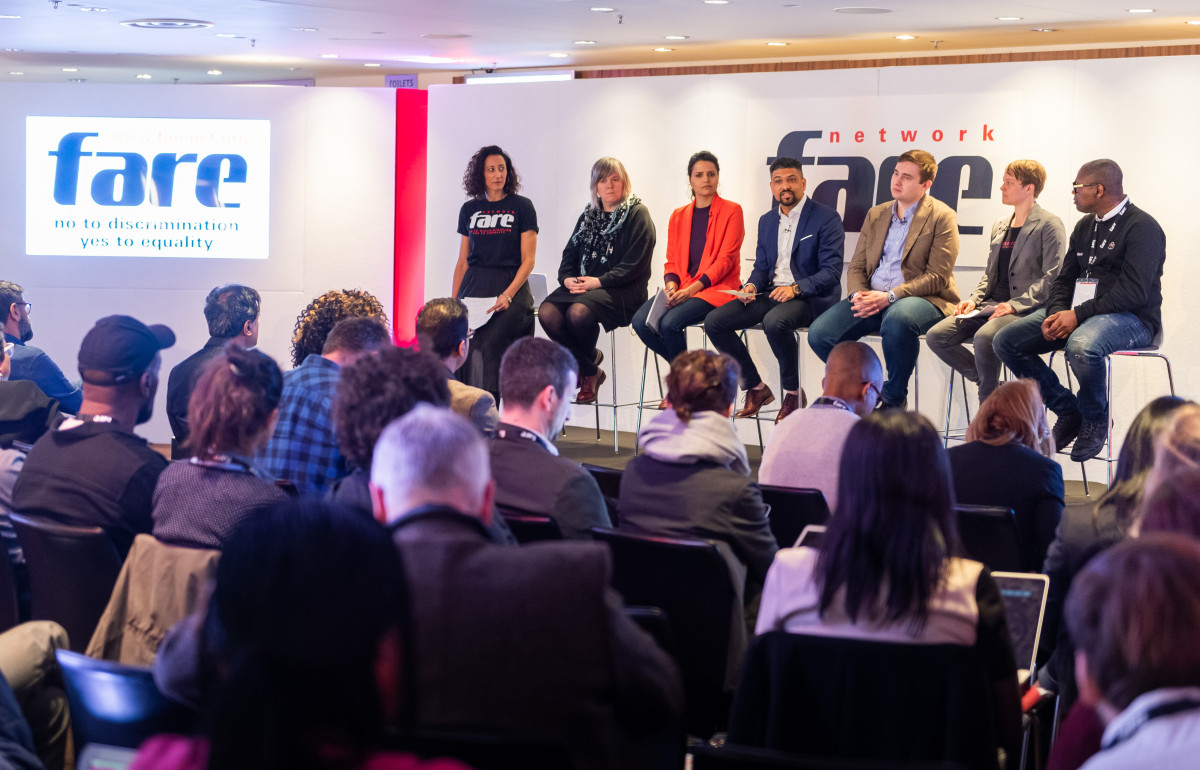
Call for Participation: An invitation to a Regional Balkan Forum
Fare network invites members and representatives of civil society and sport organisations from across the Balkans to take part in the Balkan Football…
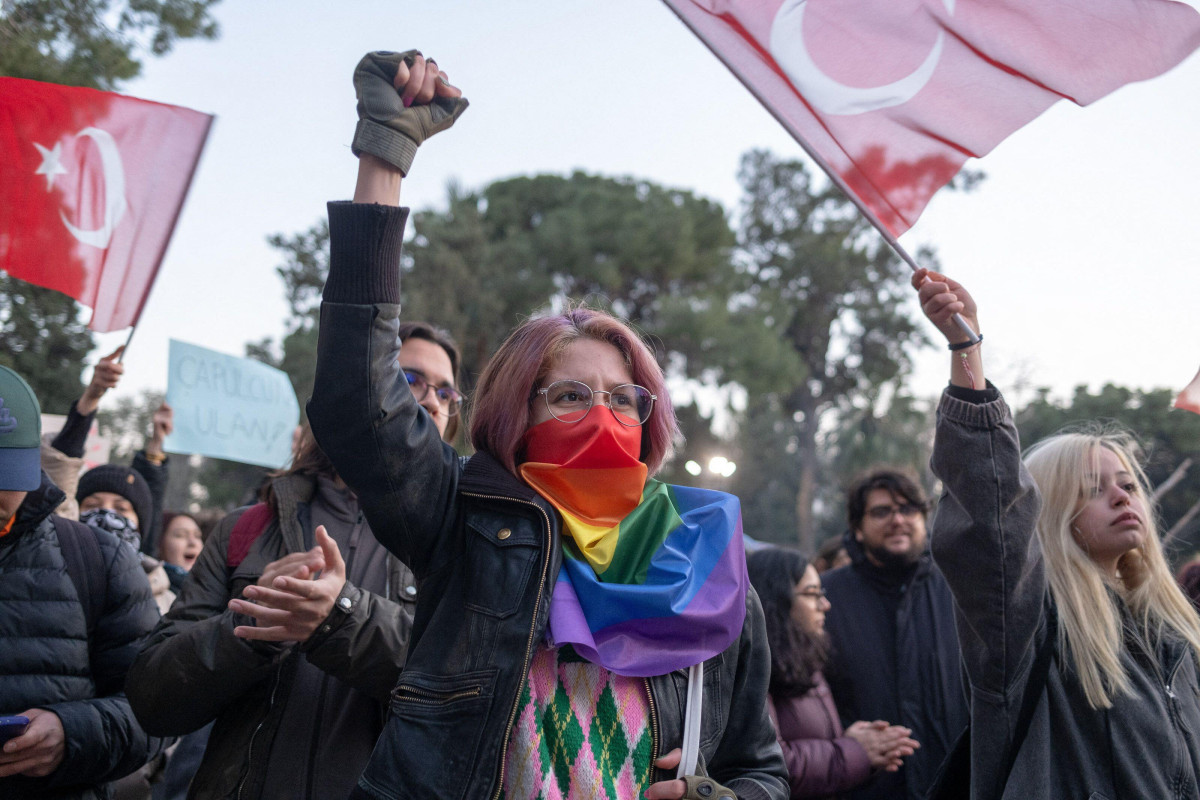
The Fare network condemns crackdown on LGBTIQ+ organisations in Turkey
The Fare network condemns the prosecution of LGBTIQ+ organisations in Turkey. In the early hours of Sunday, 13 September, Turkish police carried out…
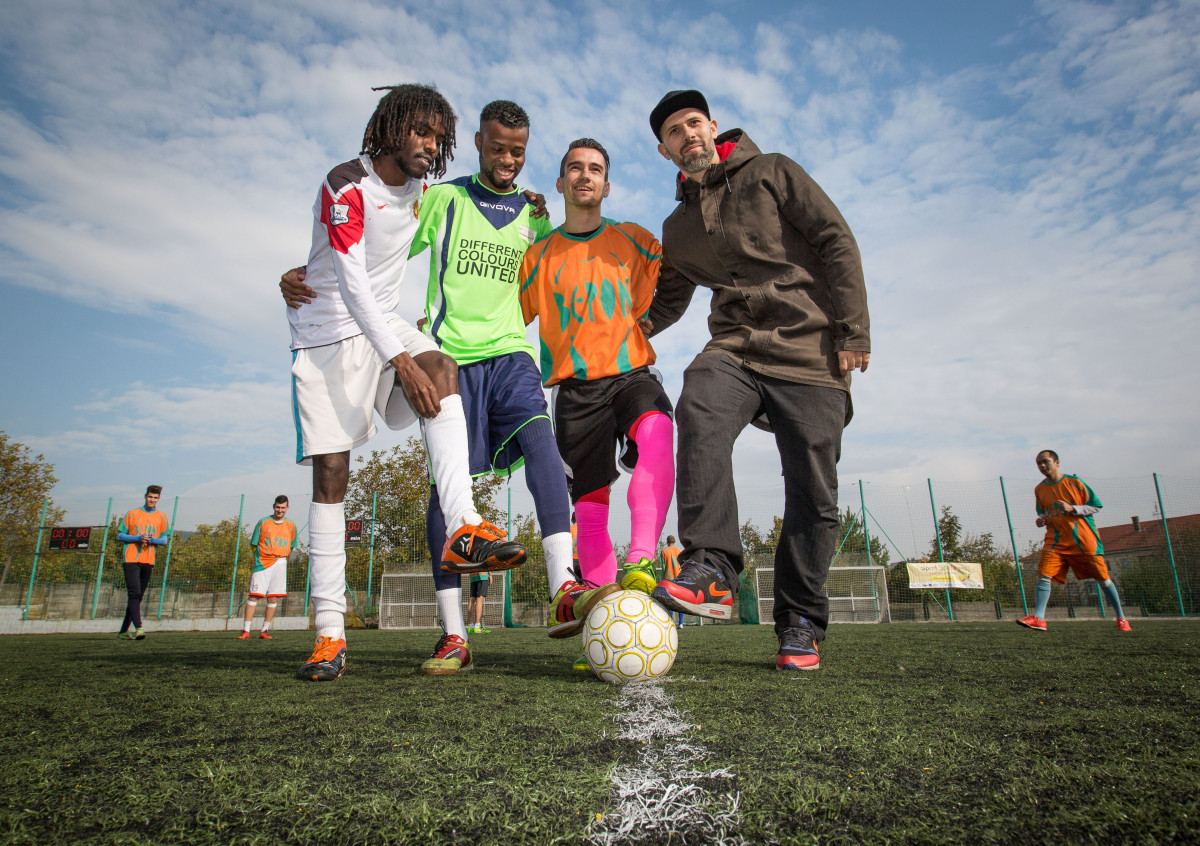
Fare Refugee Campaign 2026: successful grants
Fare Refugee Grants Successful grantees As part of the Fare Refugee campaign, Fare offered grants to organisations using football and sport to support…
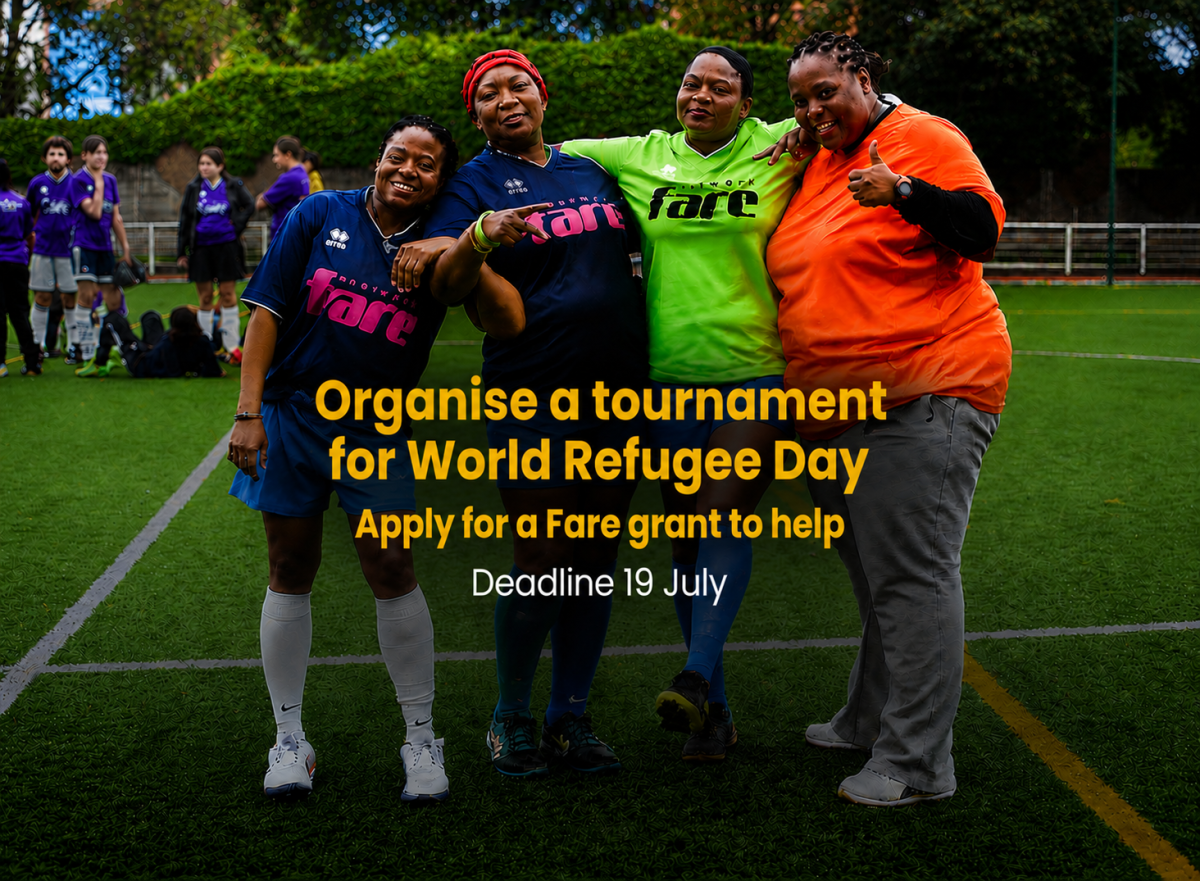
Celebrate World Refugee Day through Football
To mark World Refugee Day, we are launching the Fare Refugee Grants campaign to support organisations, grassroots clubs, NGOs, supporter groups, and…
Is Liam Rosenior’s Chelsea appointment a landmark for diversity in English football?
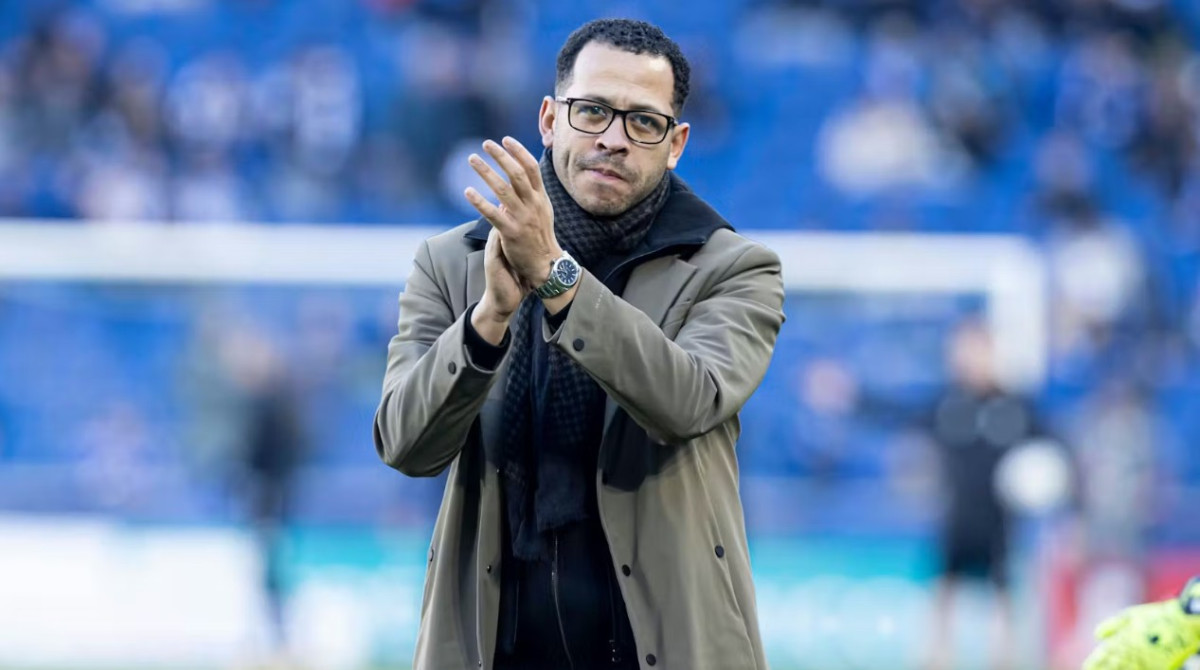
Former Strasbourg, Hull City and Derby County coach Liam Rosenior has been named Chelsea FC’s new head coach, a historic appointment that is being celebrated as supporting racial diversity in football management.

 Report incident
