

Is Liam Rosenior’s Chelsea appointment a landmark for diversity in English football?
Former Strasbourg, Hull City and Derby County coach Liam Rosenior has been named Chelsea FC’s new head coach, a historic appointment that is being celebrated as supporting racial diversity in football management.
Chelsea confirmed the hiring of 41-year-old Liam Rosenior as head coach on a six-and-a-half-year contract to 2032 earlier this week. Rosenior, a London-born former Premier League defender, arrives from Chelsea’s partner club RC Strasbourg in France, where he earned acclaim for guiding the team to a seventh-place finish and European qualification last season. Previously, Rosenior held coaching roles at Derby County and Hull City in England.
In the official announcement, Rosenior said he was “humbled and honoured” to take charge of a club he grew up near and promised to instil teamwork, unity and a winning mentality. “I cannot turn down Chelsea,” Rosenior added in a farewell press conference at Strasbourg, adding that he’s ready for the challenge of Premier League football.
The stark statistics around Black coaches
Rosenior is the second Black manager in the London club’s 118-year history, following Dutch icon Ruud Gullit, who led the team in the late 1990s. He is also the first Black British head coach Chelsea has hired. It’s a rare opportunity: in the 34 years of Premier League football, there have been only 12 Black or ethnic minority managers appointed on a permanent basis (excluding short-term caretakers). The Premier League’s first Black manager was Gullit in 1996, and it was not until 2008 that an English Black manager, Paul Ince at Blackburn, got a top-flight job. As of Rosenior’s arrival, only one other Premier League club has a manager of colour - West Ham’s Nuno Espírito Santo ,who is a rare success, now at his third Premier League club. These appointments remain rare.
The contrast with on-pitch representation is stark. About 43% of Premier League players are from Black or minority backgrounds, yet the diversity thins dramatically in leadership roles. A report by the Black Footballers Partnership found that Black coaches held only 4–5% of managerial jobs across England – a glaring gap relative to player numbers.
In late 2024, the League Managers Association highlighted that just 2 out of 92 clubs in England’s top four divisions had a Black manager. Within Premier League club hierarchies, a study found that only 3.2% of senior executives and 2% of senior coaching staff at surveyed clubs were from ethnically diverse backgrounds. Figures from Fare network's Governance Index showed that in 2022, England had only 15 ethnic minority men in senior governance positions in clubs.
The disparity in hiring and a lack of opportunities for coaches of colour and other leaders in football is systemic.
Breaking Barriers and Next Steps
This moment arrives amid broader efforts to improve diversity in English football’s coaching ranks. In 2020, the FA introduced a Football Leadership Diversity Code, urging clubs to interview and hire more candidates from minority backgrounds. The code was dropped a few years later, and instead, mandatory data collection has been introduced to get around the lack of transparent reporting by clubs of their recruitment data.
The FA also has a number of coaches of ethnic minority origin, including former black players, working within its structures.
There is hope that Rosenior’s tenure, if successful, will encourage boards to look beyond the usual carousel of managers and give more opportunities to underrepresented coaches. Chelsea’s owners themselves described Rosenior as having “the ability to get the best out of this squad quickly” and pledged their backing for him to succeed. That support will be crucial, as Rosenior faces intense pressure to deliver results at a club that has cycled through five managers in just a few years.
As Rosenior takes the helm at Stamford Bridge, he carries not only the ambitions of a club eager to return to glory, but also the expectations of a community of coaches and supporters who are eager to see Black coaches get more chances. If Rosenior can thrive in the Chelsea hotseat, it could mark a turning point and pave the way for more Black and ethnic minority coaches to follow in his footsteps.
Latest News Articles

Call for Participation: An invitation to a Regional Balkan Forum
Fare network invites members and representatives of civil society and sport organisations from across the Balkans to take part in the Balkan Football…
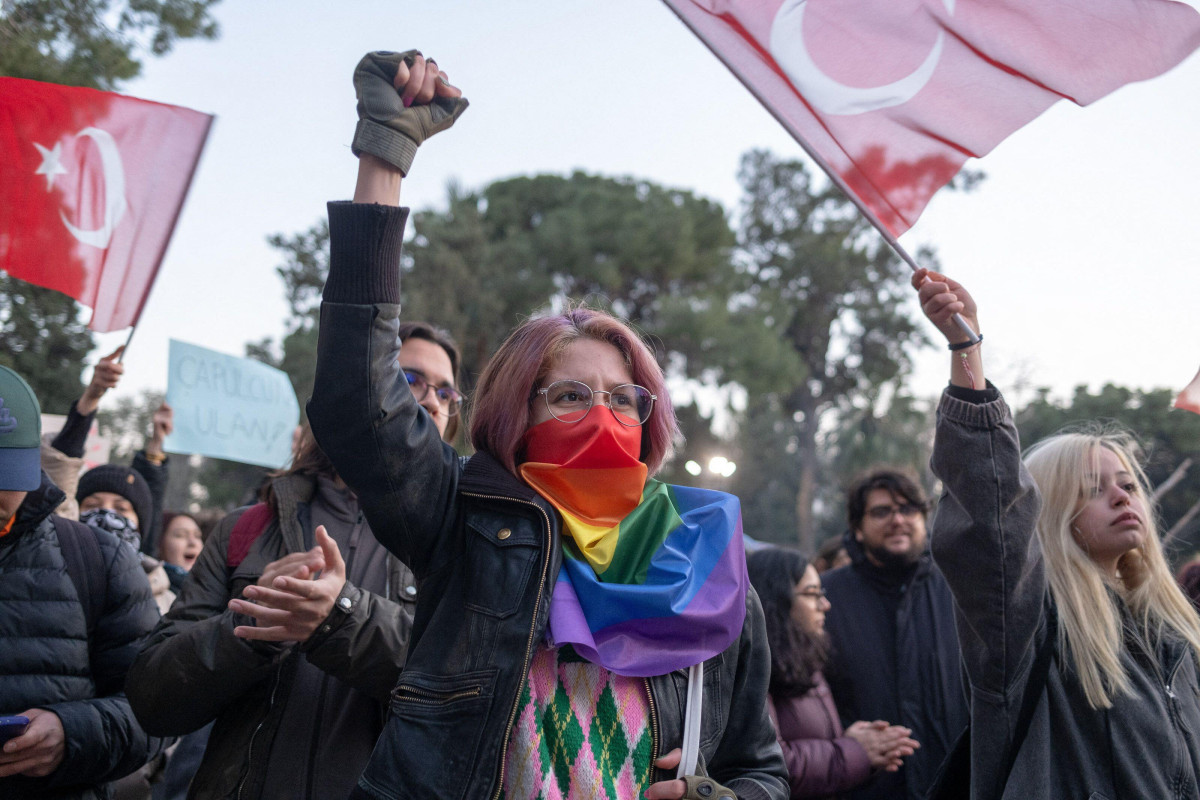
The Fare network condemns crackdown on LGBTIQ+ organisations in Turkey
The Fare network condemns the prosecution of LGBTIQ+ organisations in Turkey. In the early hours of Sunday, 13 September, Turkish police carried out…

Fare Refugee Campaign 2026: successful grants
Fare Refugee Grants Successful grantees As part of the Fare Refugee campaign, Fare offered grants to organisations using football and sport to support…

Celebrate World Refugee Day through Football
To mark World Refugee Day, we are launching the Fare Refugee Grants campaign to support organisations, grassroots clubs, NGOs, supporter groups, and…

The 2026 Fare International Women’s Day leaders

Football v Homophobia Month of Action 2026 successful grants
Football v Homophobia Month of Action is well underway and we would like to highlight the successful grantees, alongside the calendar and locations of…

 Report incident
